Two warranties, two promises
Most new roofs carry two separate warranties. One comes from the shingle or panel maker. The other comes from the roofer. They cover different problems, and owners often mix them up.
Ask for both in writing before you sign. Our guide on reading a roofing quote lists the warranty line as one of the items to check.
Warranty types compared
| Type | Who pays | What it covers | Common limits |
|---|---|---|---|
| Material (maker) | The manufacturer | Defects in the shingle or panel | Often shrinks over time. Labor may not count. |
| Workmanship (roofer) | The roofer | Install errors, such as bad nailing or flashing leaks | Length and terms vary. Get it in writing. |
| System or enhanced | The manufacturer | Shingles plus matching parts, and sometimes labor | Needs matching parts and an approved installer |
| Extended or service plan | A third party or the roofer | Repairs over a set period | Read exclusions and who handles claims |
What "limited lifetime" means
A "limited lifetime" warranty does not mean the roof lasts for life. Makers set limits. Many cover full replacement cost only for the first years. After that, they pay a shrinking share, a method called proration. By year 20, you might get a small share of material cost and nothing for labor.
Read the table in the warranty booklet. It shows how coverage drops each year. Our asphalt shingle guide explains wind and impact ratings that tie into these terms.
What can void a warranty
- Poor attic airflow. Many makers require proper ventilation. See our post on attic ventilation.
- Nails placed too high. High nails break many installation rules.
- Mixed or unapproved parts. System warranties often need matching underlayment, starter strips, and ridge caps.
- Storm damage beyond the rating. Wind above the listed limit and large hail often fall under insurance, not the warranty.
- Walking or pressure washing. Rough treatment can strip granules.
- Skipped registration. Some makers require registration within a set time.
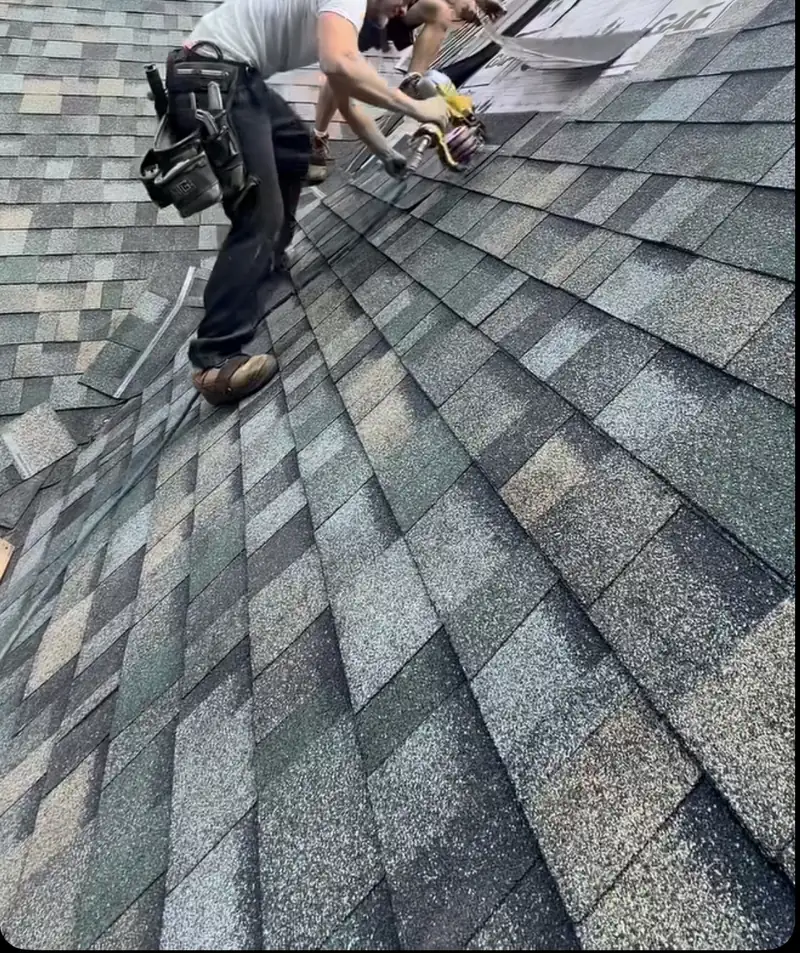
Workmanship coverage: ask these questions
- How many years does it last?
- Does it cover leaks from flashing and penetrations?
- Do I need to pay a fee to file a claim?
- Does it transfer if I sell the house?
- Who do I call, and how fast do you respond?
A roofer who offers no written workmanship coverage leaves you alone if a leak shows up in year two. Install errors usually appear within the first few years, so this coverage matters most early on.
Can I transfer a warranty to a buyer?
Often yes, with limits. Many makers allow one transfer, may require notice within a set window, and may charge a fee. Buyers and lenders like to see the paperwork. Keep your invoice, warranty booklet, and photos of the finished roof together.
Warranty versus insurance
A warranty covers defects in the product or the install. Your homeowner's insurance covers sudden damage from events such as wind or fallen trees. Neither one covers normal wear. The Michigan Department of Insurance and Financial Services offers guidance on homeowner policies. Call your agent before a claim.
Keep a warranty file
- Signed contract and final invoice
- Maker warranty booklet and registration proof
- Workmanship warranty letter
- Product names and color from the quote
- Photos of the deck, flashing, and finished roof
See our guide on preparing for install day for photos worth taking.
Get the terms before you sign
We put workmanship terms in the written quote, so you can compare them with other bids. Book a free inspection and ask for the warranty terms of the materials you want. Planning the budget? See our cost guide.
Common questions
What is the difference between a material and a workmanship warranty?
The maker backs the product. The roofer backs the install. Most leaks in the first few years trace to workmanship, so ask for both.
Does a lifetime warranty cover the whole roof for life?
No. The maker sets limits, and coverage often shrinks over time. Read the proration table in the booklet.
Can I transfer a roof warranty when I sell my house?
Often yes, but terms vary. Many makers allow one transfer and may require notice or a fee.
Does insurance cover a worn-out roof?
No. Insurance covers sudden damage, not normal wear. A warranty covers defects. Neither covers age.